
Microsoft's Business & Industry Competitiveness group needed to develop an internal collaboration tool, but the problem space was complex, requiring alignment on what the right features and interface should be across a 20-person cross-disciplinary team. The challenge was defining a cohesive product direction that balanced user needs with enterprise-scale technical constraints.
As UX Lead for a 6-person design sub-team within the larger 20-person SCADpro collaboration, I guided high-level design strategy and information architecture while mentoring designers through the process. I led critiques, maintained quality standards, and partnered closely with other discipline leads to ensure every design decision aligned with user needs, technical feasibility, and business objectives.
We delivered polished, high-fidelity prototypes and actionable strategic recommendations directly to Microsoft BIC stakeholders. The experience reinforced how to design architecturally sound solutions that are viable within a large-scale enterprise ecosystem. Solutions that don't just solve immediate user problems, but are built for scalability within the client's existing product landscape.

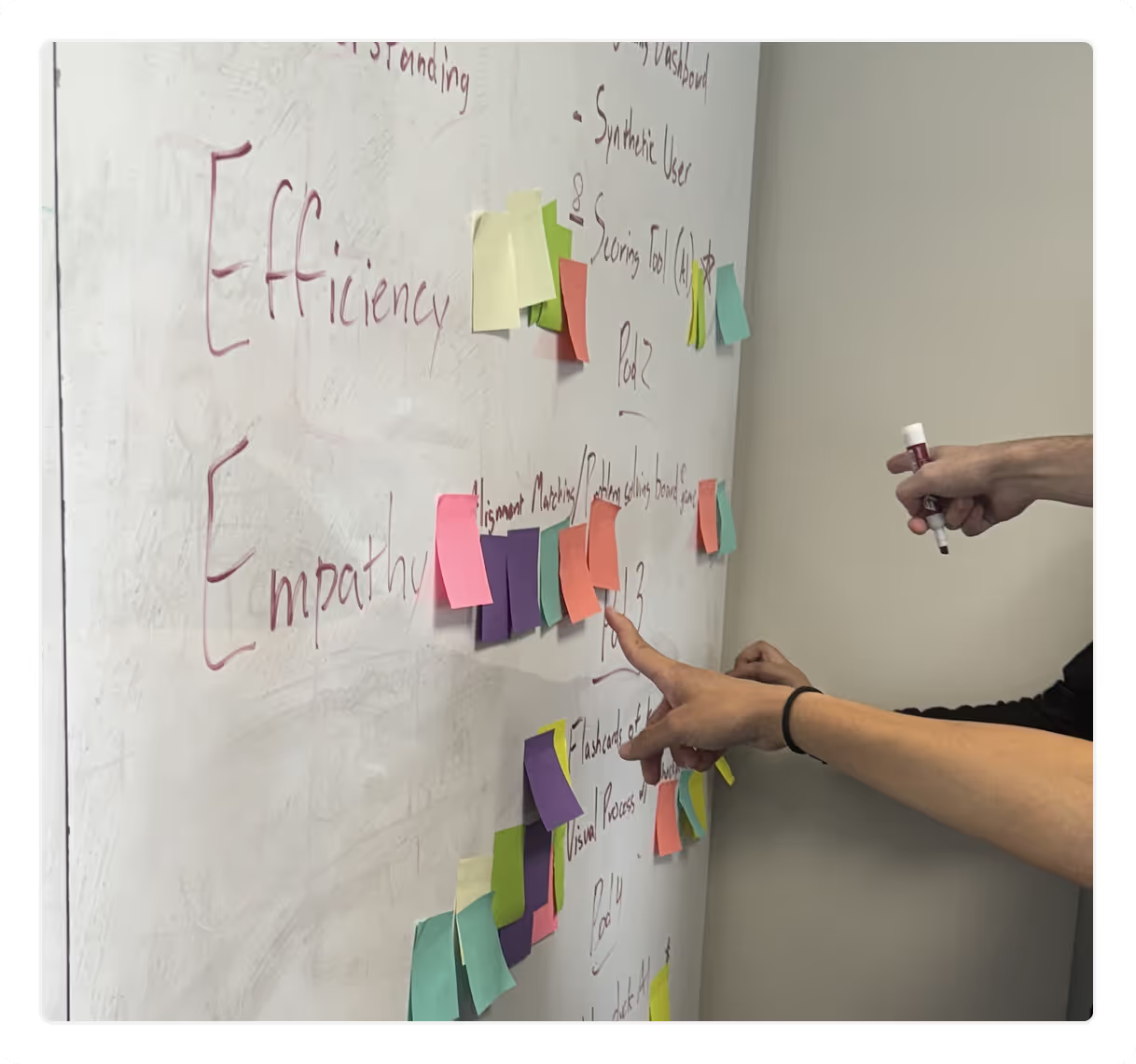
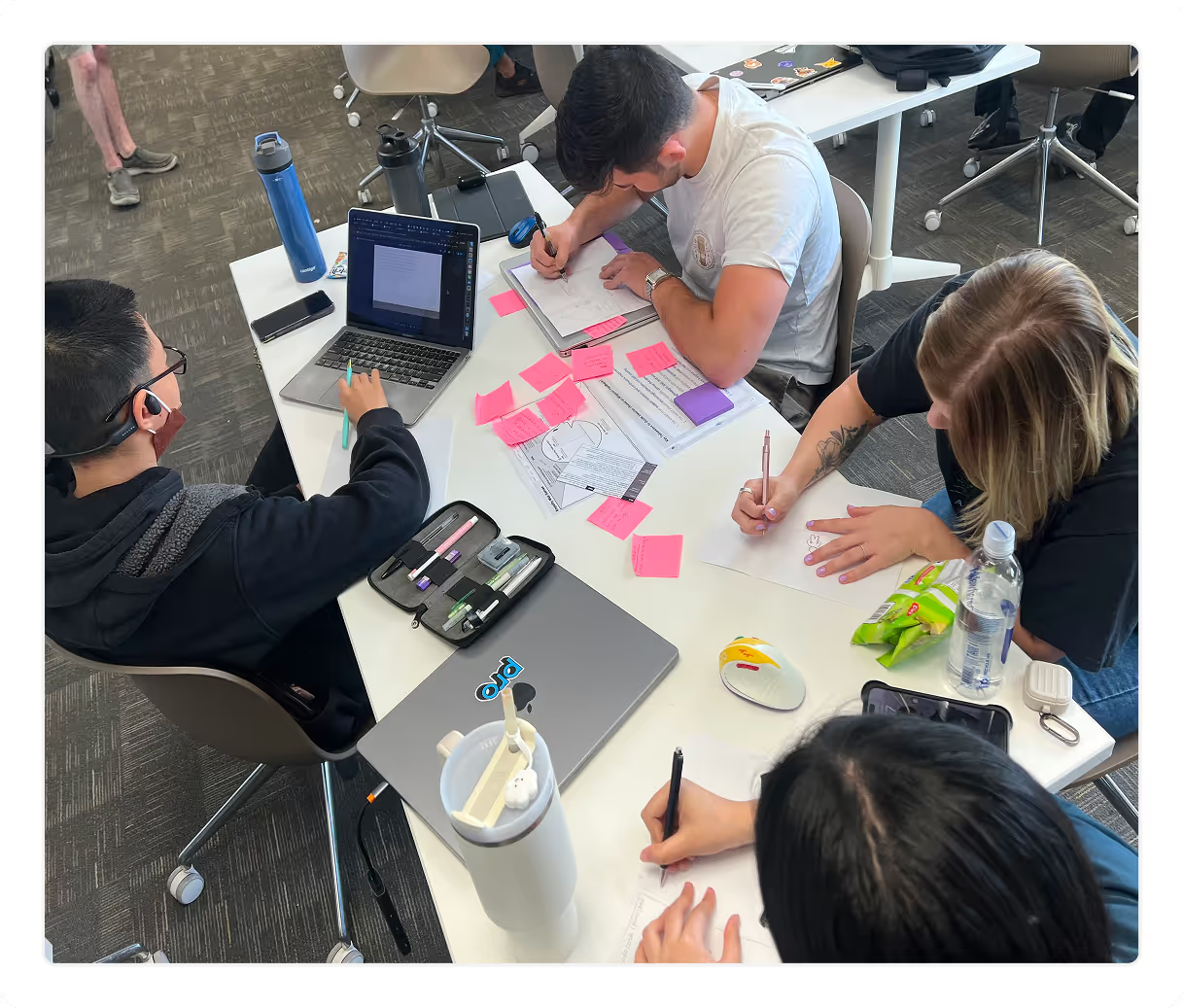
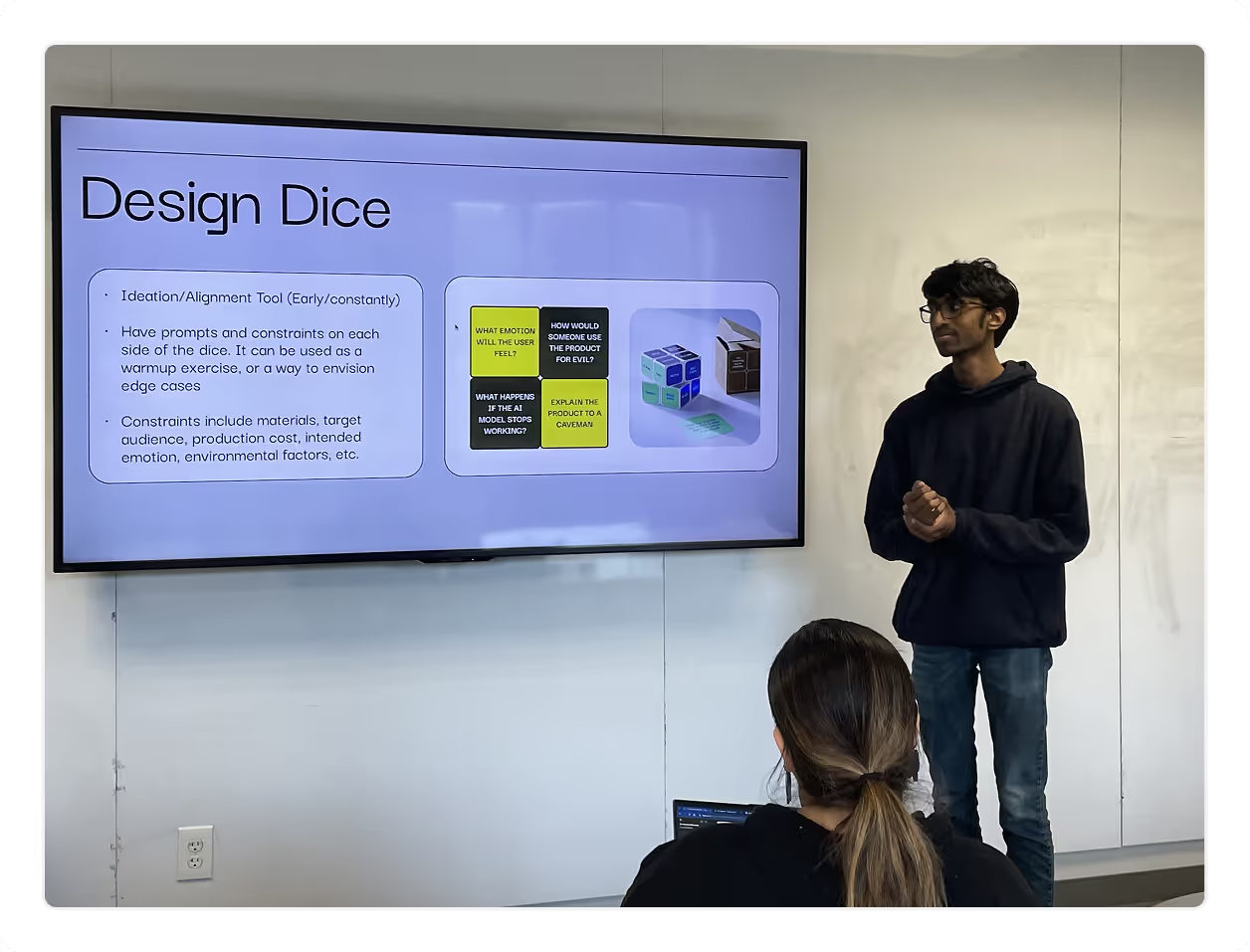
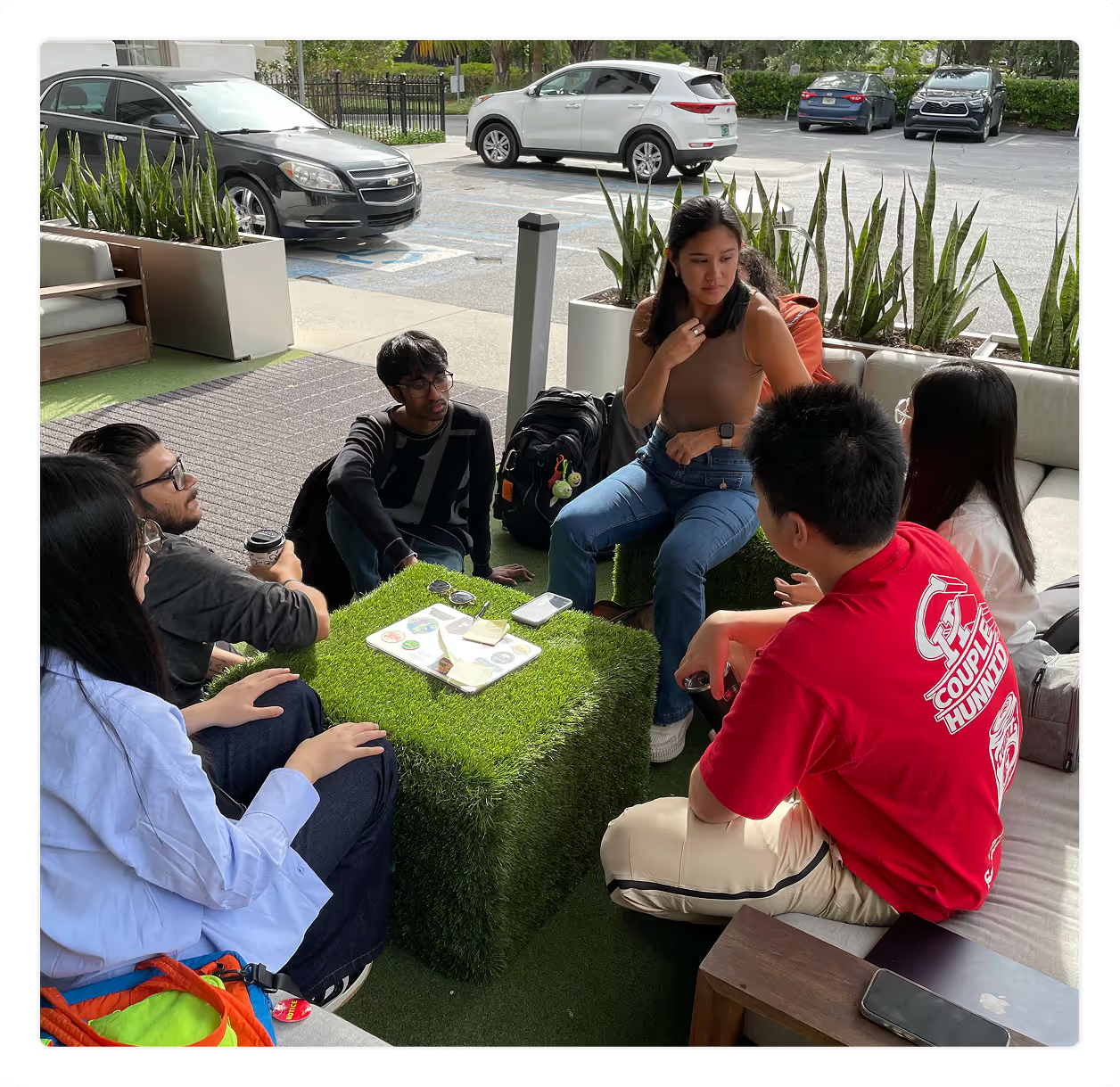
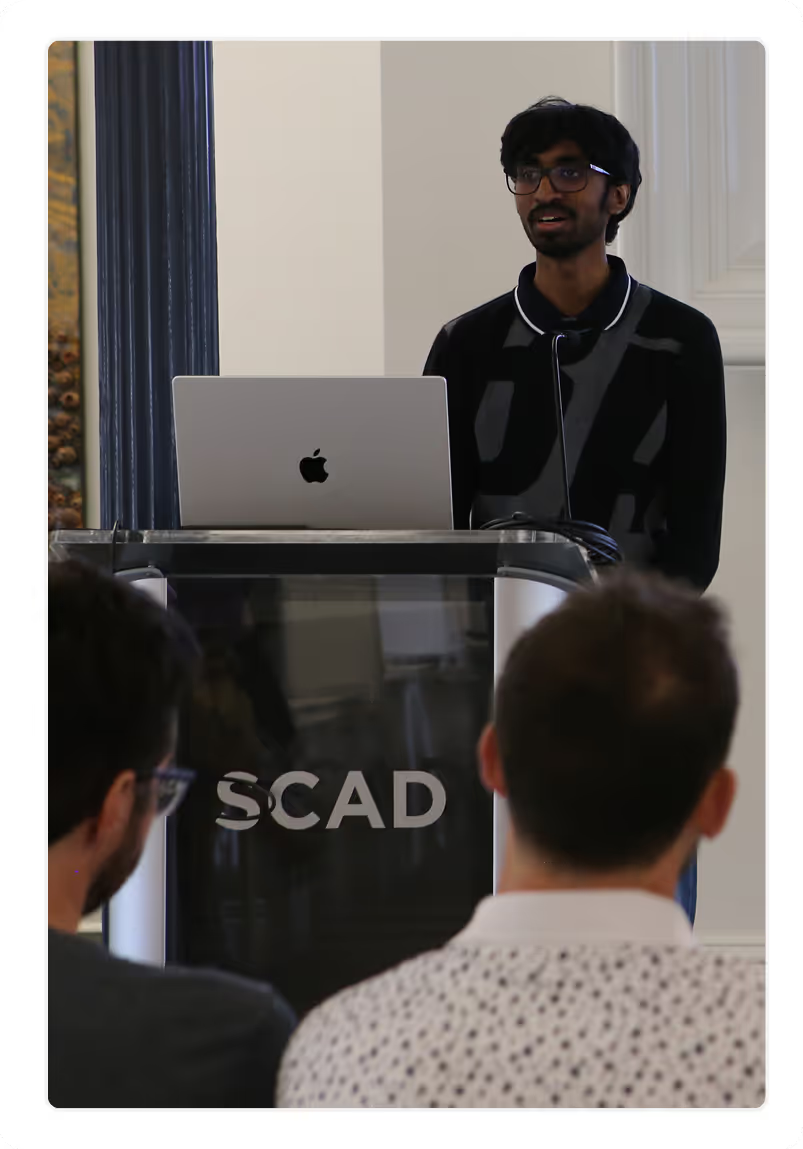
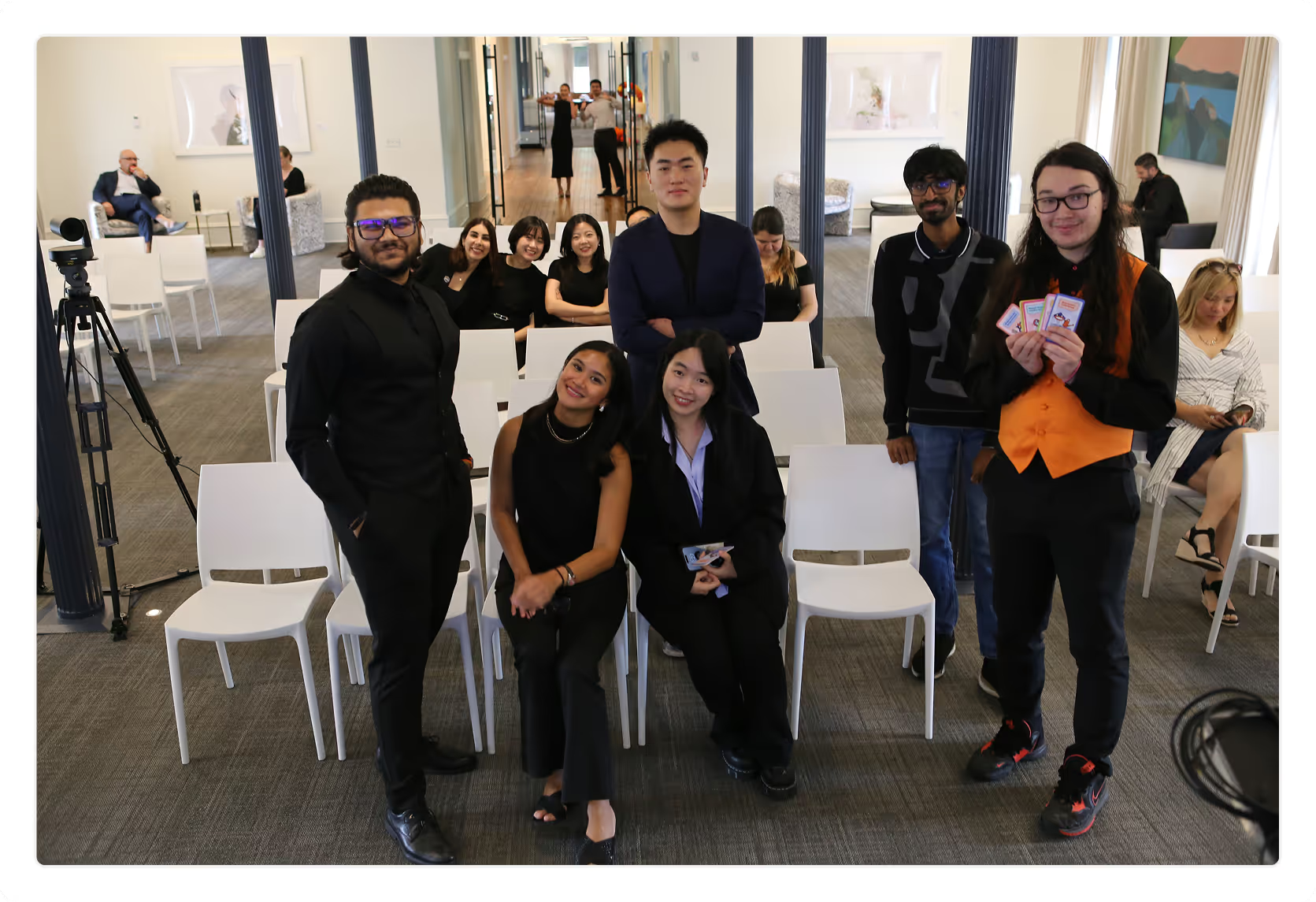
I effectively led a UX team while strategically partnering with Design Strategists, Interaction Designers, and Graphic Designers. This cross-functional collaboration was critical for aligning divergent project goals, facilitating clear communication, and empowering each contributor to achieve maximum impact and deliver cohesive final solutions.
This project reinforced that effective design decision-making must be rooted in user needs, core product goals, and technical feasibility. Given the project's complexity, establishing strategic clarity and functional alignment became equally paramount to visual execution. This ensured that our solutions were robust and directly aligned with the product roadmap.
This experience was critical in developing solutions that successfully integrate into a large-scale enterprise system. It reinforced the necessity of designing not just to solve immediate user problems, but to create architecturally sound solutions that are viable and meaningfully scalable within the client's existing product ecosystem.
